Wanpeng Zhang

I am a Ph.D. candidate at Peking University, advised by Prof. Zongqing Lu. My research focuses on Foundation Models, Robotics, and Reinforcement Learning. I am also a researcher at BeingBeyond, a startup dedicated to building foundation models for embodied intelligence. For more information, please refer to my CV or CV(Chinese). I am also hiring self-motivated students/interns to work on VLA/Robotics/RL (@BeingBeyond/Peking University). If you are interested, please feel free to drop me an email.

Selected Publication

(For the full publications, please see my Google Scholar.)
1. Robotics

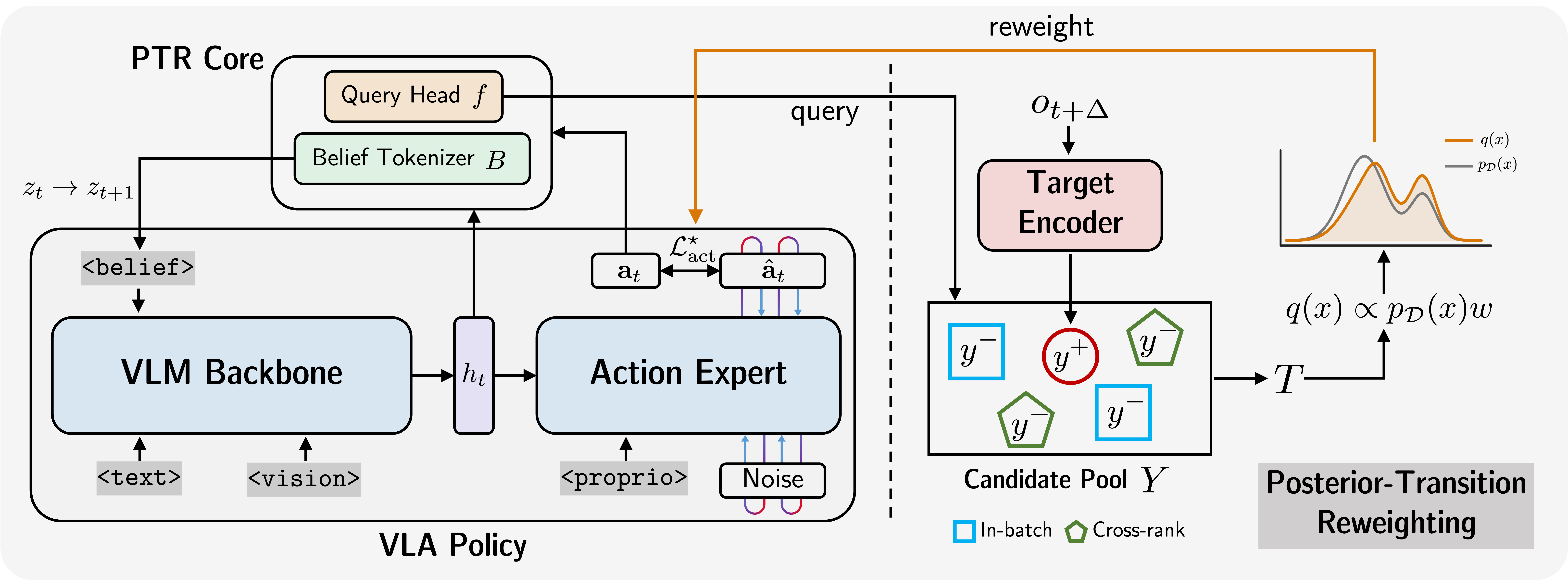
Conservative Offline Robot Policy Learning via Posterior-Transition Reweighting

Wanpeng Zhang, Hao Luo, Sipeng Zheng, Yicheng Feng, Haiweng Xu, Ziheng Xi, Chaoyi Xu, Haoqi Yuan, Zongqing Lu

PTR lets robot post-training use post-action consequences to decide which training samples deserve more emphasis.

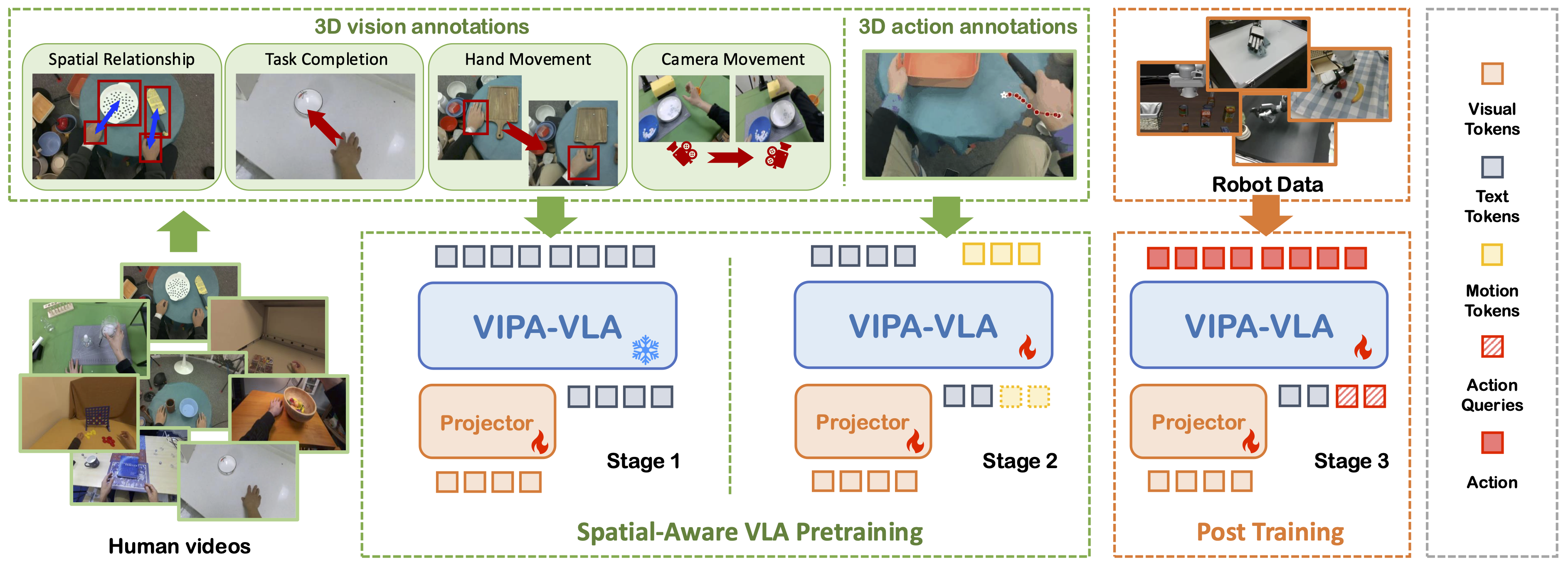
Spatial-Aware VLA Pretraining through Visual-Physical Alignment from Human Videos

Yicheng Feng, Wanpeng Zhang, Ye Wang, Hao Luo, Haoqi Yuan, Sipeng Zheng, Zongqing Lu.

We introduce VIPA-VLA, which learns 2D-to-3D visual-physical grounding from human videos, enabling VLA with stronger spatial understanding and generalization.

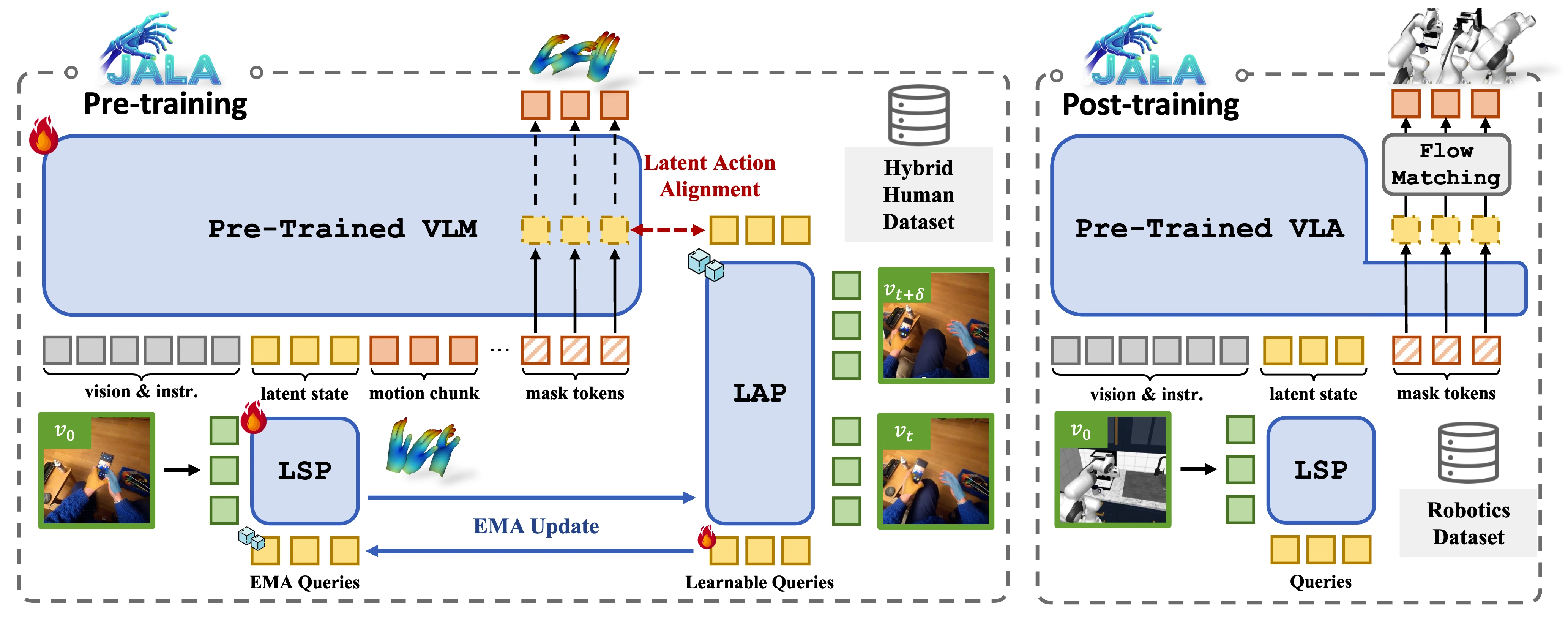
Joint-Aligned Latent Action: Towards Scalable VLA Pretraining in the Wild

Hao Luo, Ye Wang, Wanpeng Zhang, Haoqi Yuan, Yicheng Feng, Haiweng Xu, Sipeng Zheng, Zongqing Lu.

JALA scales VLA pretraining by aligning predictive embeddings with inverse dynamics to learn a unified latent action space from both labeled and unannotated human videos.

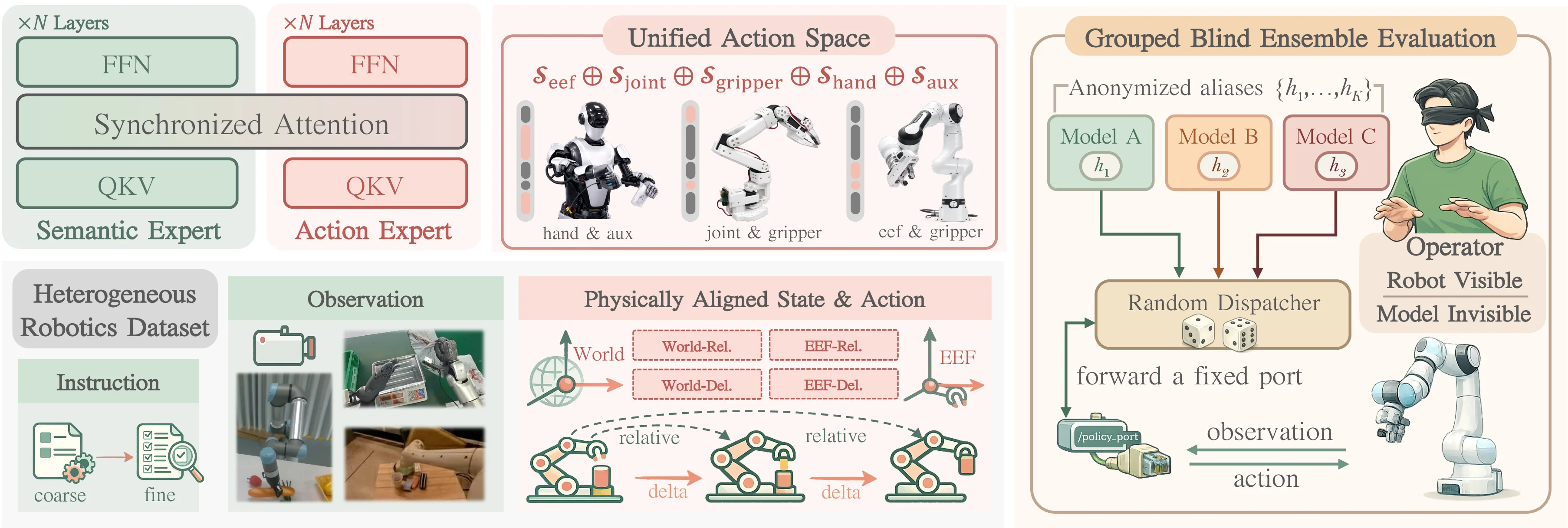
Rethinking Visual-Language-Action Model Scaling: Alignment, Mixture, and Regularization

Ye Wang*, Sipeng Zheng*, Hao Luo*, Wanpeng Zhang*, Haoqi Yuan, Chaoyi Xu, Haiweng Xu, Yicheng Feng, Mingyang Yu, Zhiyu Kang, Zongqing Lu, Qin Jin. (*Co-first Author.)

A controlled study of VLA scaling shows EEF-relative alignment is the most robust action default, naive heterogeneous data pooling can cause destructive interference.

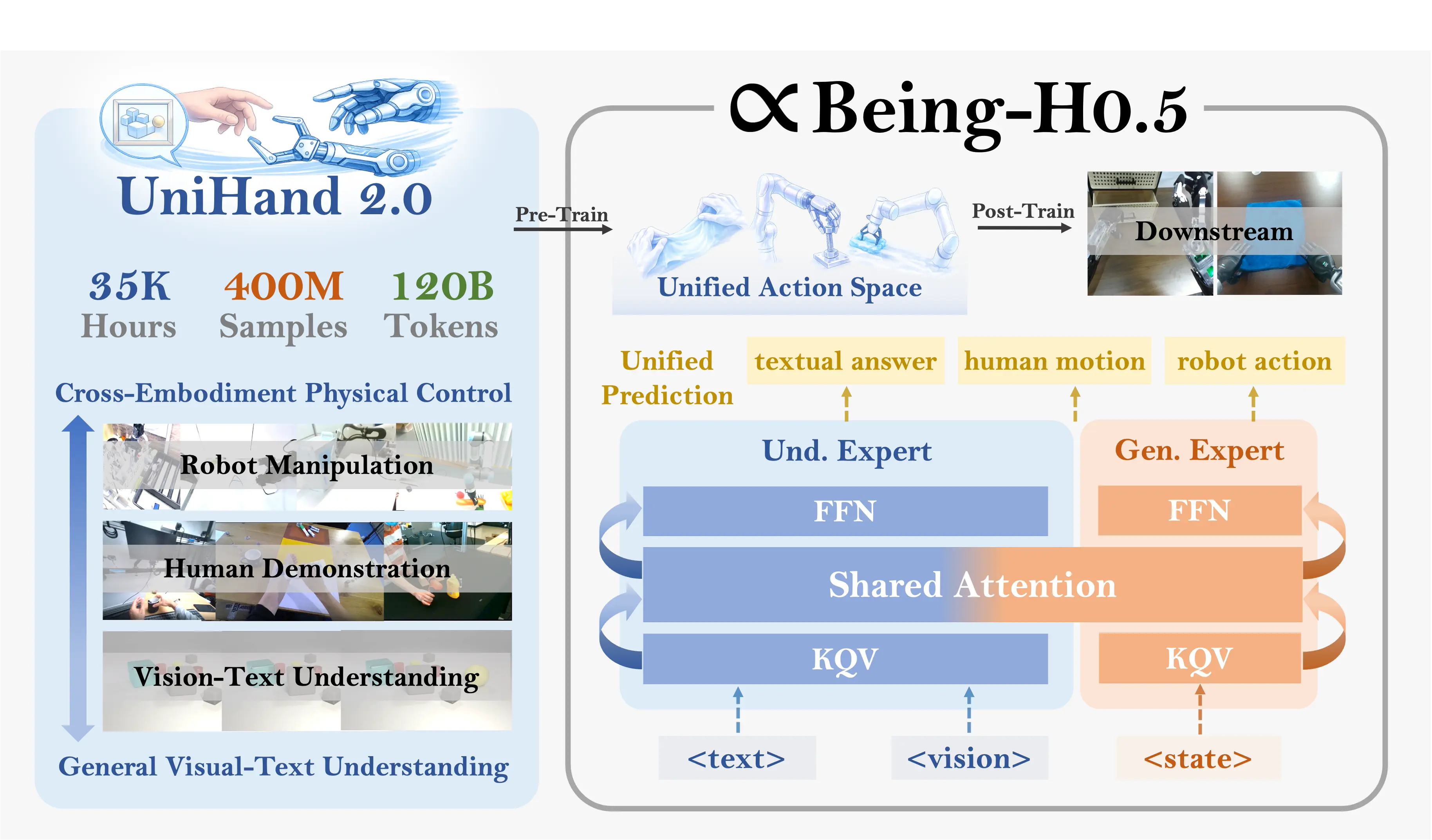
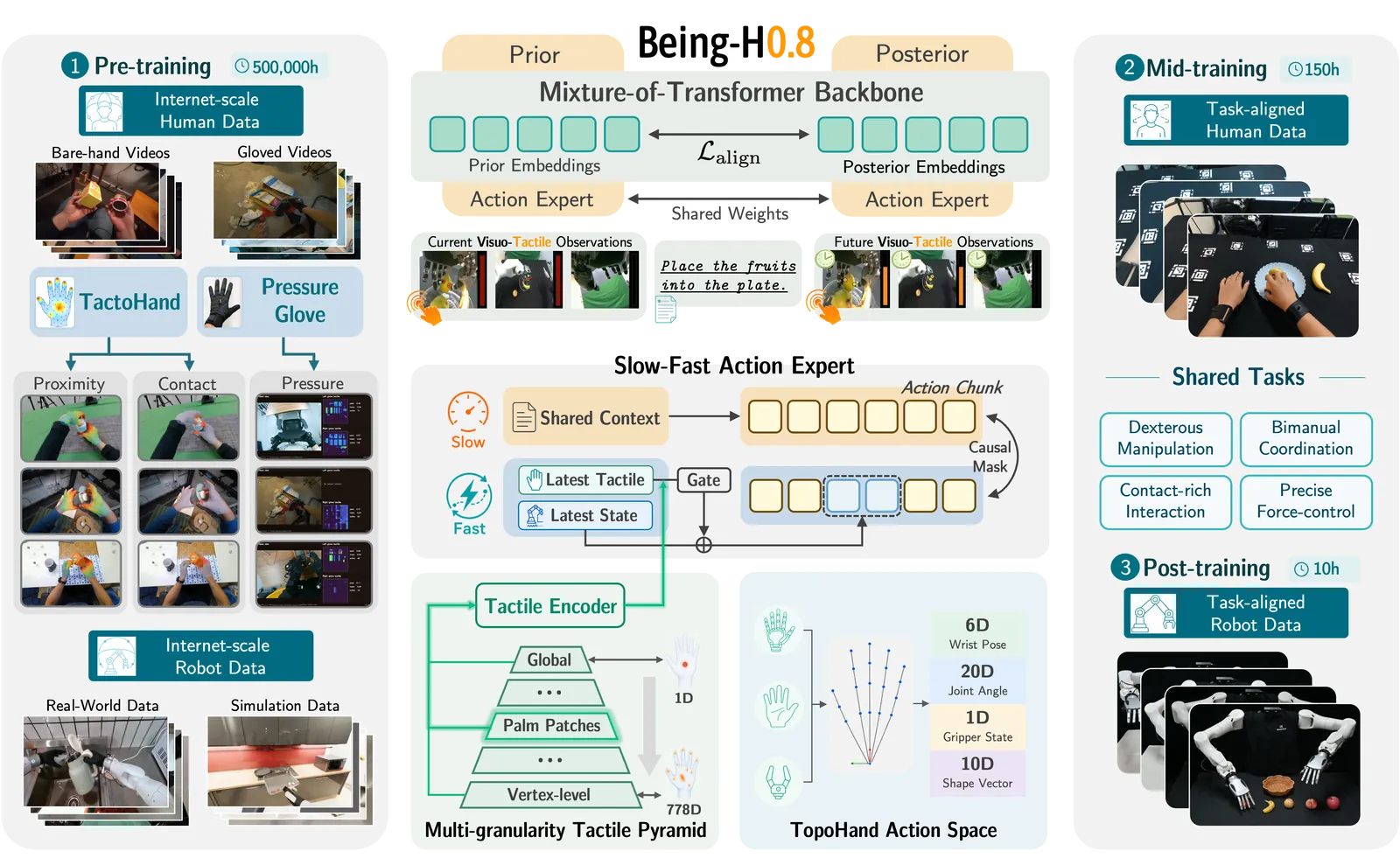
Being-H0.5: Scaling Human-Centric Robot Learning for Cross-Embodiment Generalization

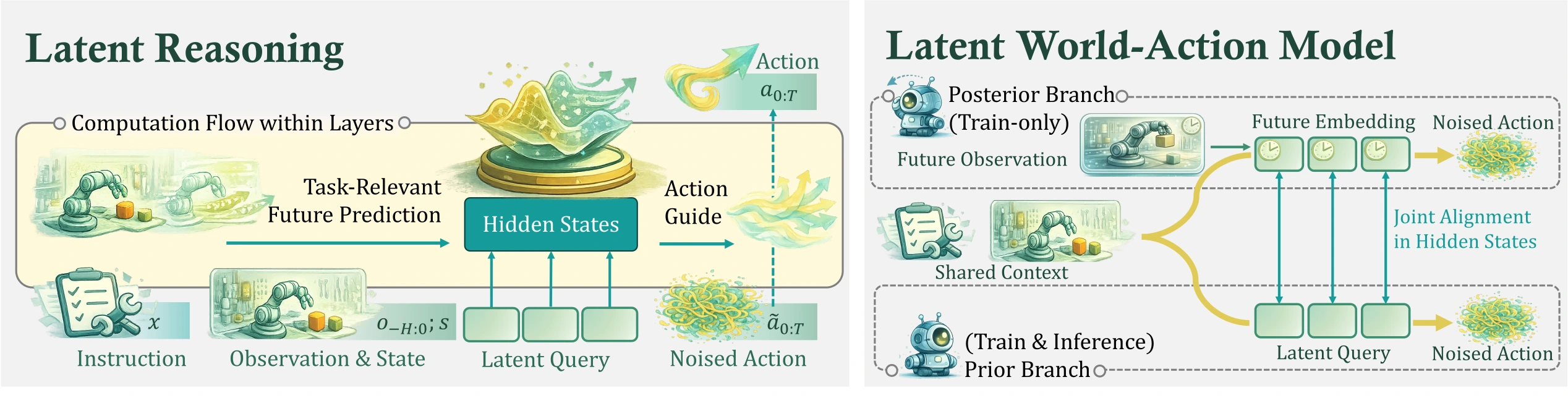
Wanpeng Zhang*, BeingBeyond Team. (*Co-first Author, Core Contributor.)

Being-H0.5 is a foundational VLA model that scales human-centric learning with a unified action space to enable robust cross-embodiment robot control.
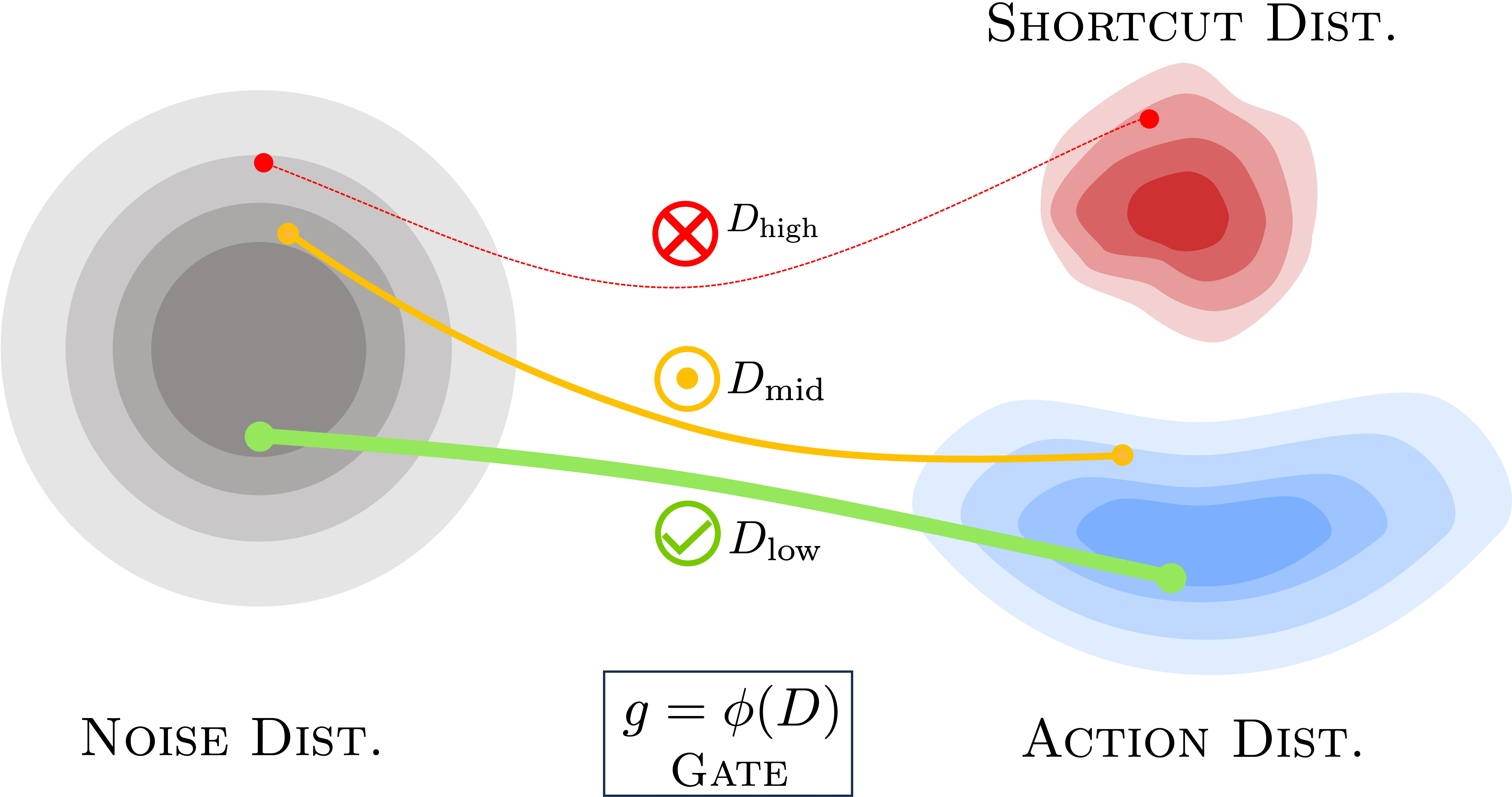
DiG-Flow: Discrepancy-Guided Flow Matching for Robust VLA Models

Wanpeng Zhang, Ye Wang, Hao Luo, Haoqi Yuan, Yicheng Feng, Sipeng Zheng, Qin Jin, Zongqing Lu.

DiG-Flow is a plug-and-play module for flow-matching based VLAs that rebalances control between the autoregressive foundation model and the flow expert.

Being-H0: Vision-Language-Action Pretraining from Large-Scale Human Videos

Wanpeng Zhang*, BeingBeyond Team. (*Co-first Author, Core Contributor.)

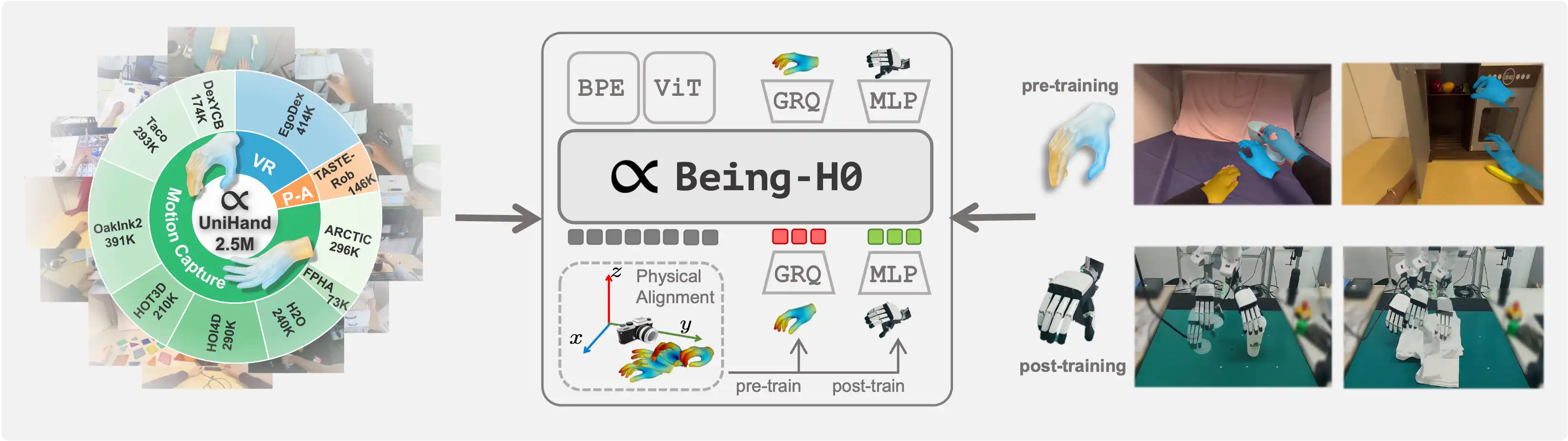
We introduce Being-H0, the first dexterous Vision-Language-Action model pretrained from large-scale human videos via explicit hand motion modeling.
2. MLLM

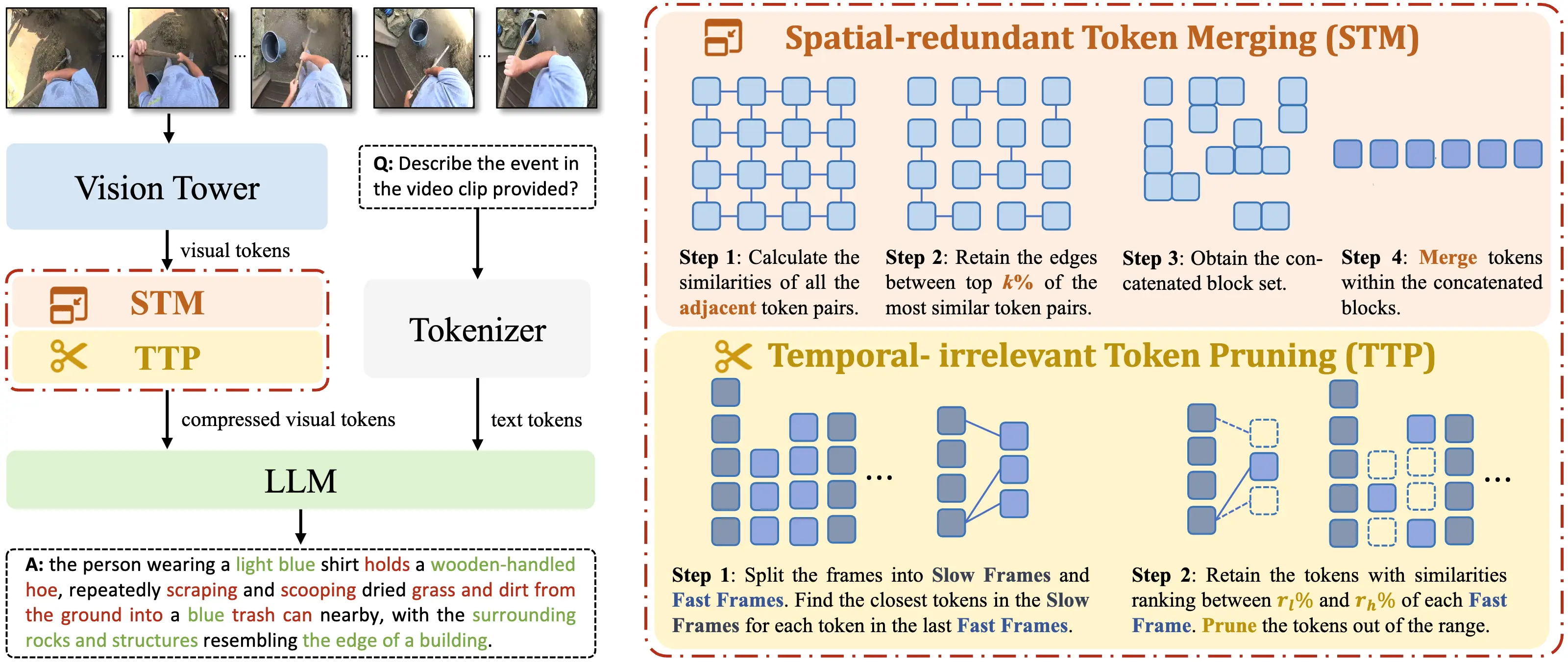
OpenMMEgo: Enhancing Egocentric Understanding for LMMs with Open Weights and Data

Hao Luo, Zihao Yue, Wanpeng Zhang, Yicheng Feng, Sipeng Zheng, Deheng Ye, Zongqing Lu.

OpenMMEgo enhances egocentric video understanding through a multi-level synthetic dataset, semantic-aware visual token compression to handle viewpoint shifts, and curriculum learning for stable training.
Unified Multimodal Understanding via Byte-Pair Visual Encoding

Wanpeng Zhang, Yicheng Feng, Hao Luo, Yijiang Li, Zihao Yue, Sipeng Zheng, Zongqing Lu.

Building upon the visual BPE tokenizer proposed in the previous work, we further designed a complete training framework and our Being-VL-0.5 model.

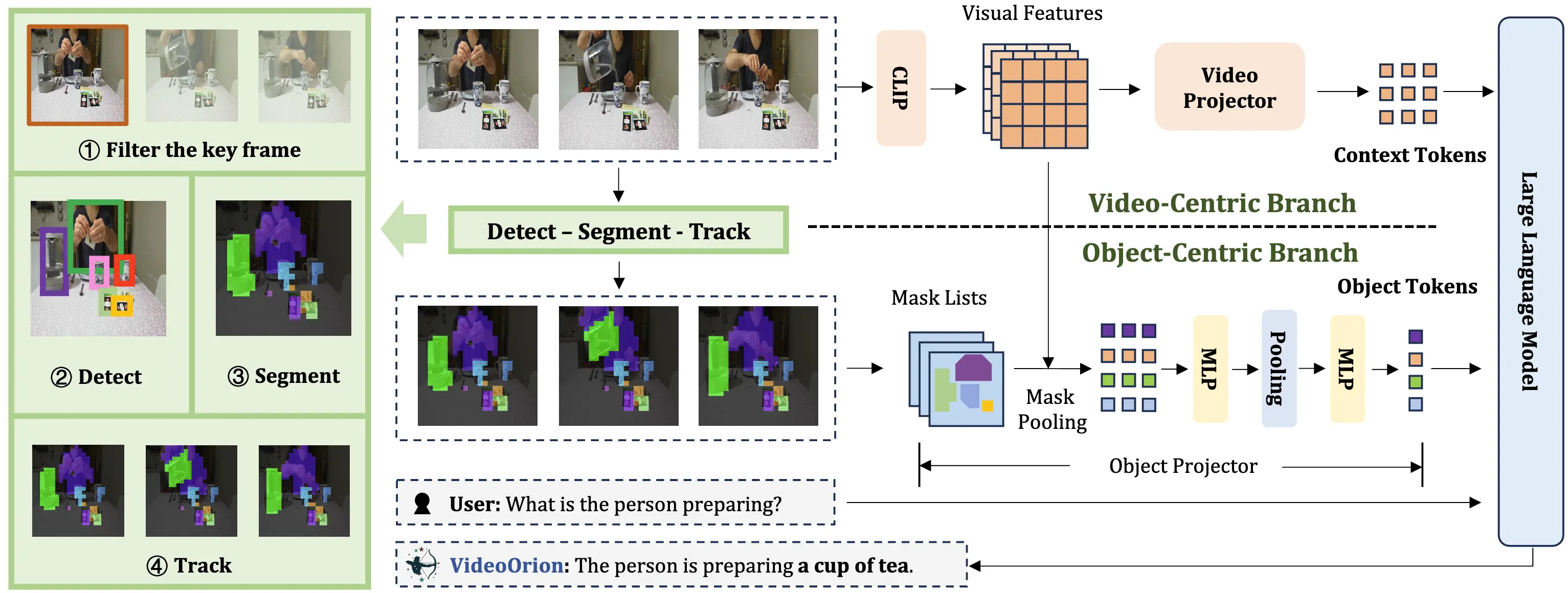
VideoOrion: Tokenizing Object Dynamics in Videos

Yicheng Feng, Yijiang Li, Wanpeng Zhang, Hao Luo, Zihao Yue, Sipeng Zheng, Zongqing Lu.

VideoOrion encodes videos with a two-branch design, using object tokens from a detect-segment-track pipeline to capture object dynamics alongside scene context.

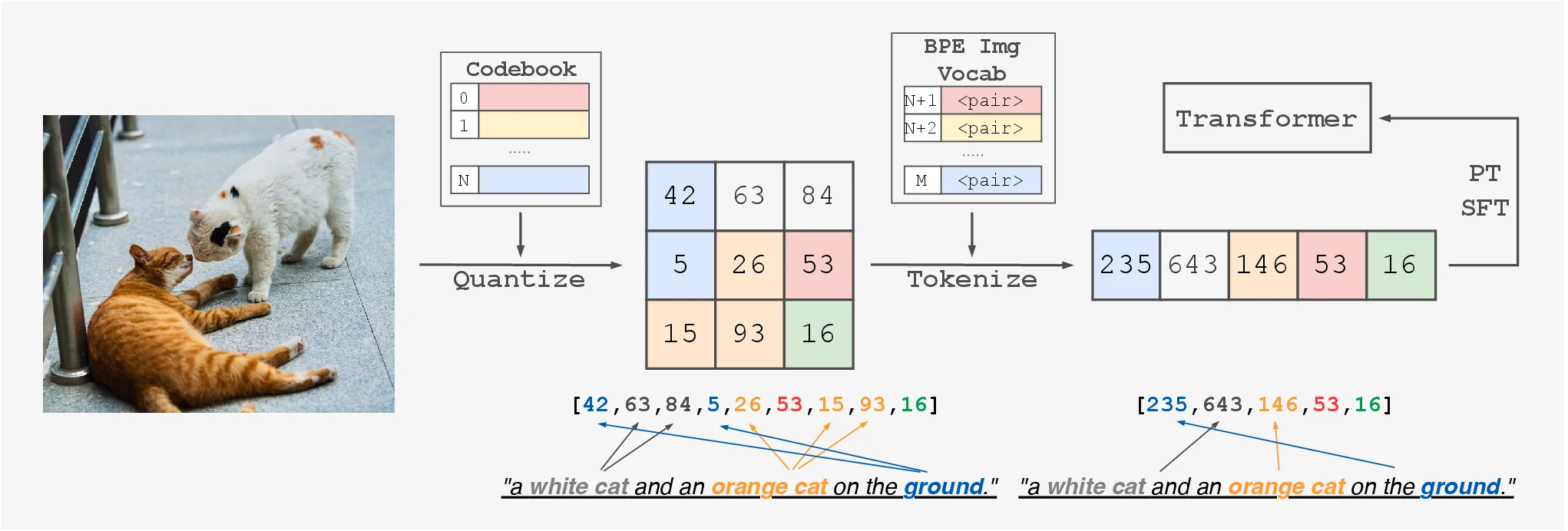
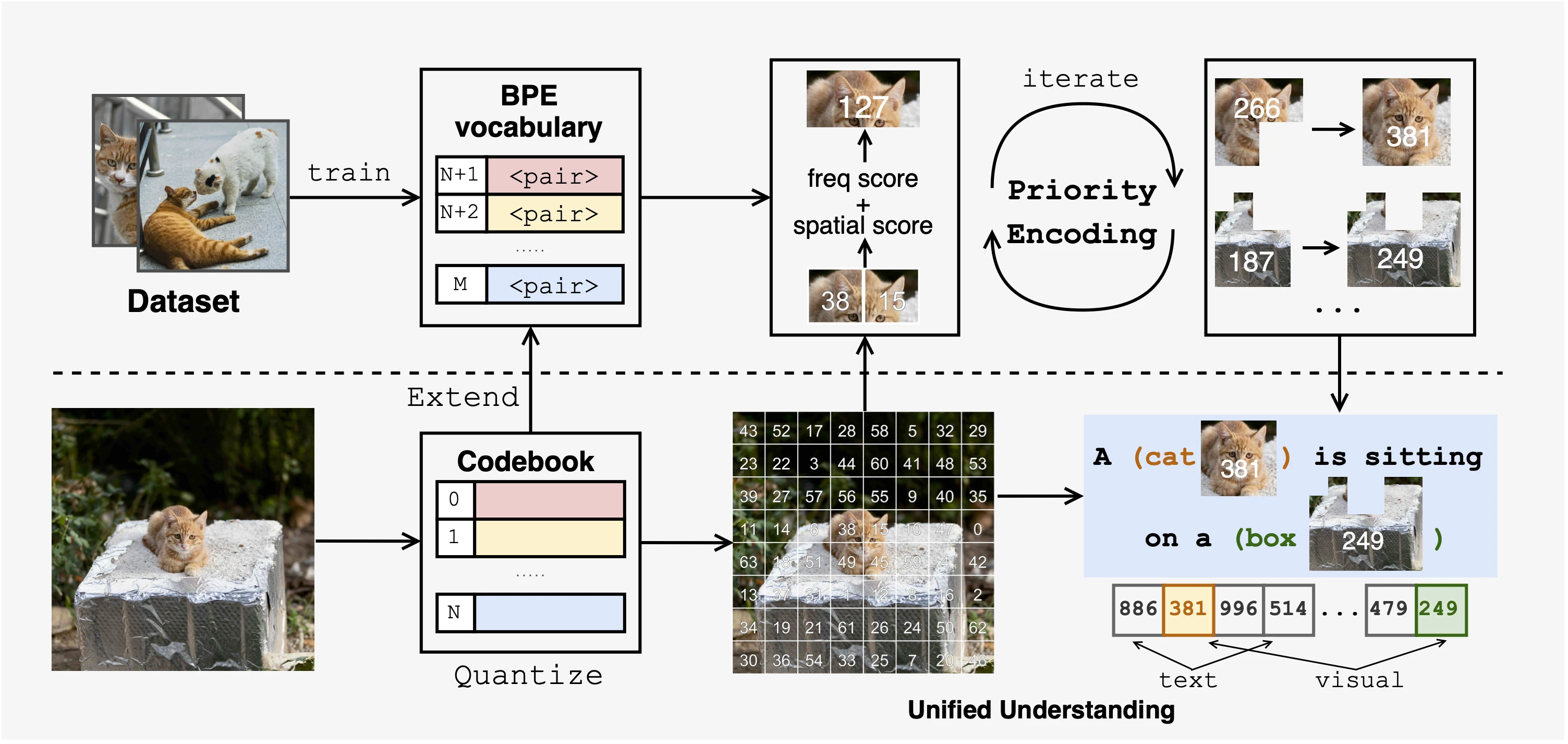
From Pixels to Tokens: Byte-Pair Encoding on Quantized Visual Modalities

Wanpeng Zhang, Zilong Xie, Yicheng Feng, Yijiang Li, Xingrun Xing, Sipeng Zheng, Zongqing Lu.

We propose BPE Tokenizer for images, enabling Transformers to learn and align multi-modal information more effectively, providing a new learning paradigm for Unified MLLMs.

3. RL & Agent

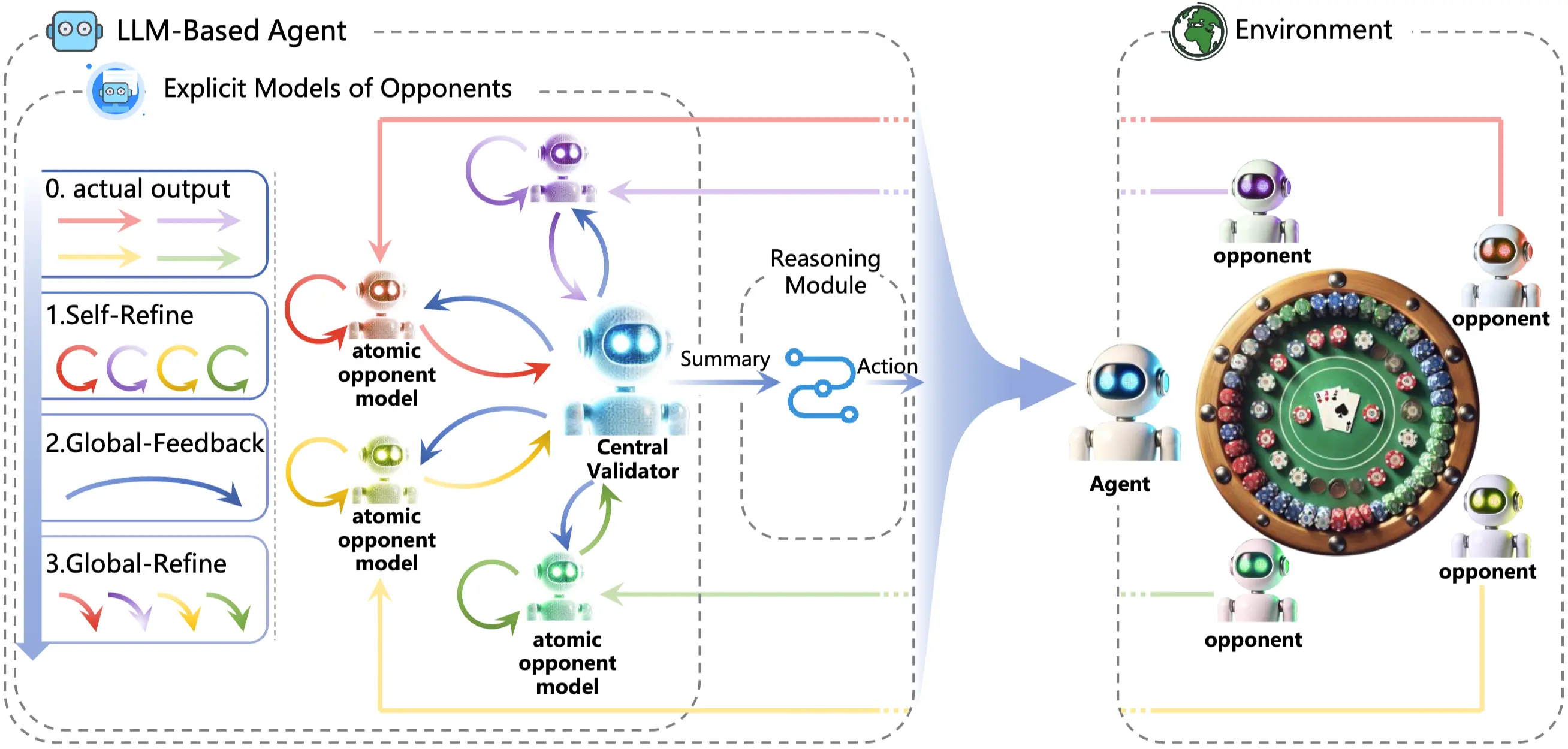
LLM-Based Explicit Models of Opponents for Multi-Agent Games

Xiaopeng Yu, Wanpeng Zhang, Zongqing Lu.

We propose EMO, a method that models each opponent individually using LLMs with iterative self- and global-refinement for better multi-agent reasoning.

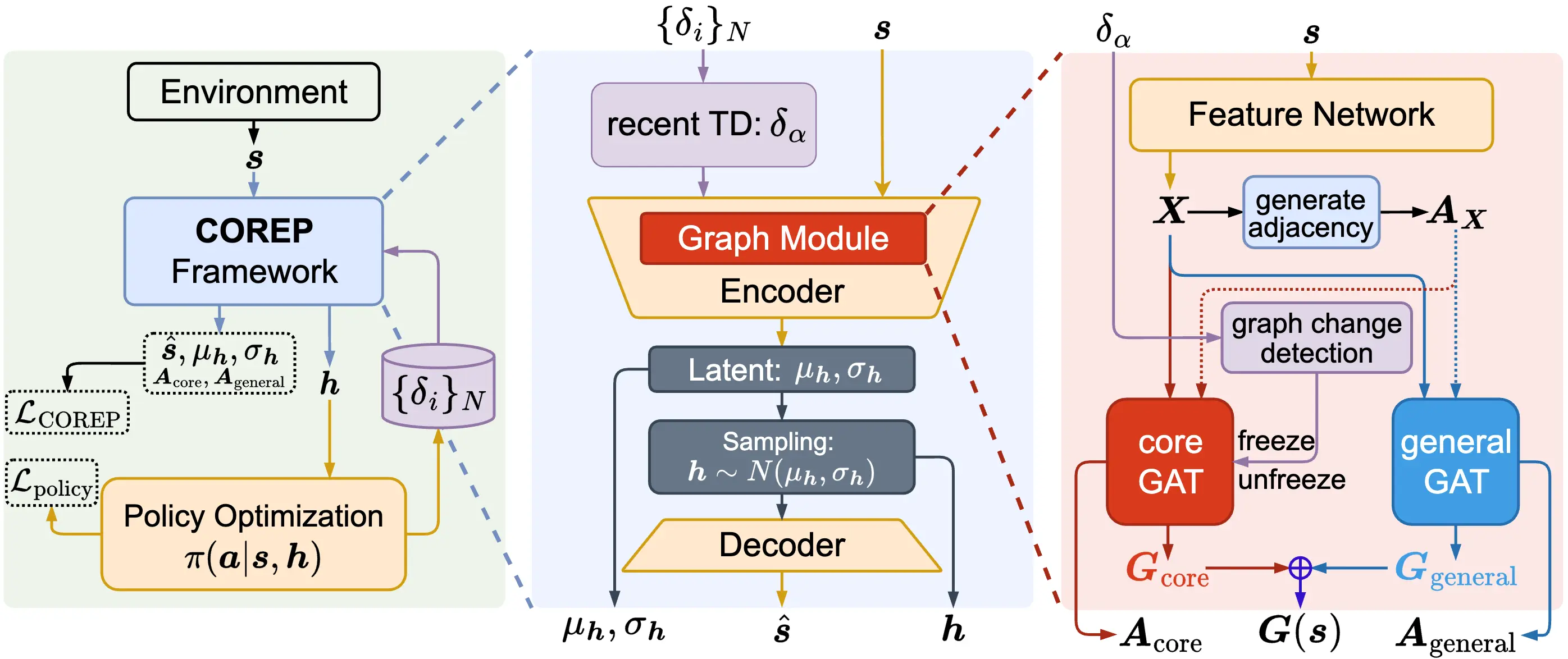
Tackling Non-Stationarity in Reinforcement Learning via Causal-Origin Representation

Wanpeng Zhang, Yilin Li, Boyu Yang, Zongqing Lu.

By adaptively learning the causal relationship joint graph in the environment and providing representations with causal relationships, RL algorithms can effectively tackle non-stationarities.

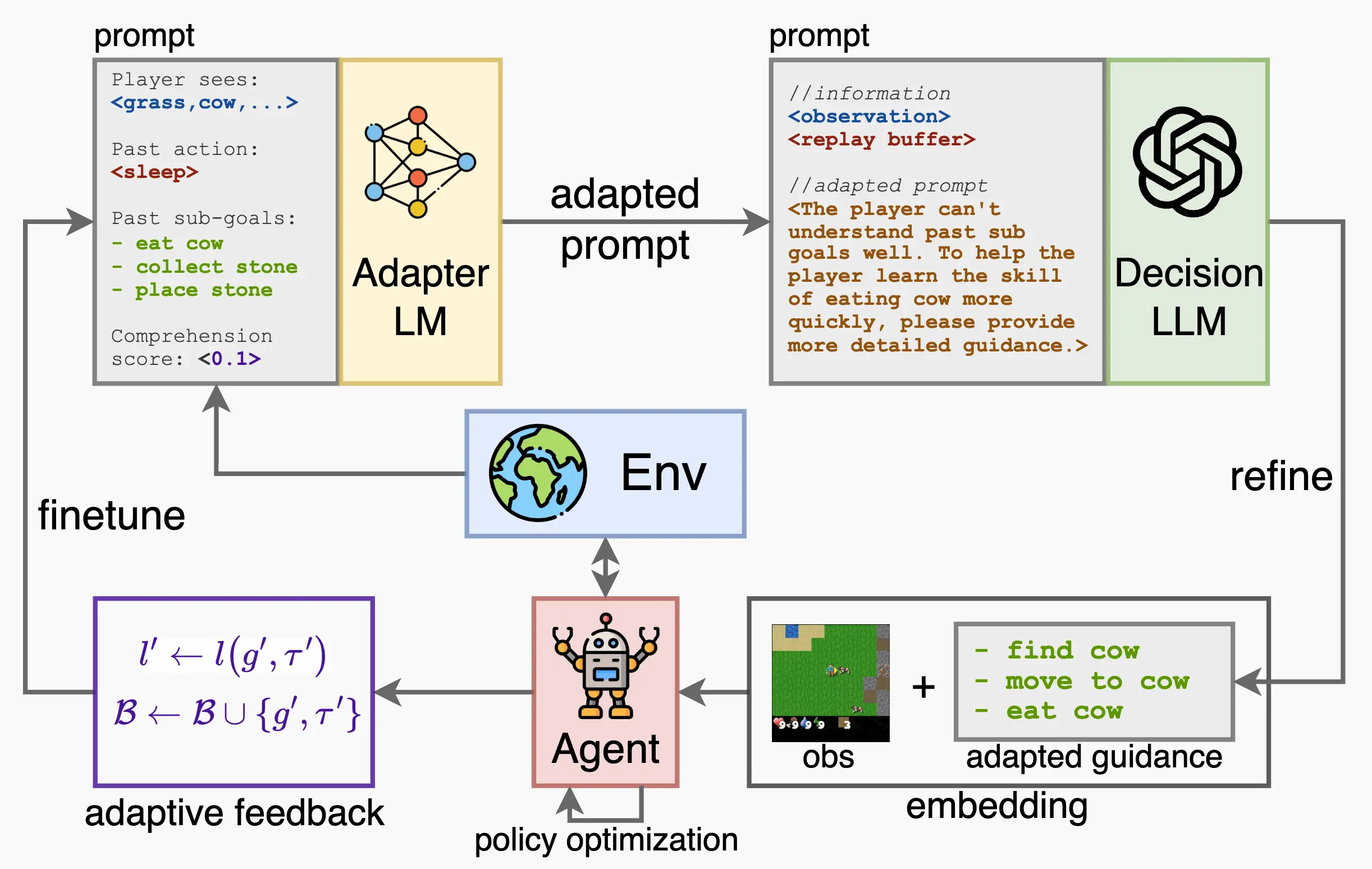
AdaRefiner: Refining Decisions of Language Models with Adaptive Feedback

Wanpeng Zhang, Zongqing Lu.

We propose AdaRefiner to achieve the co-learning of LLMs and RL agents by enabling them to provide feedback to each other, optimizing both perception and decision-making capabilities.

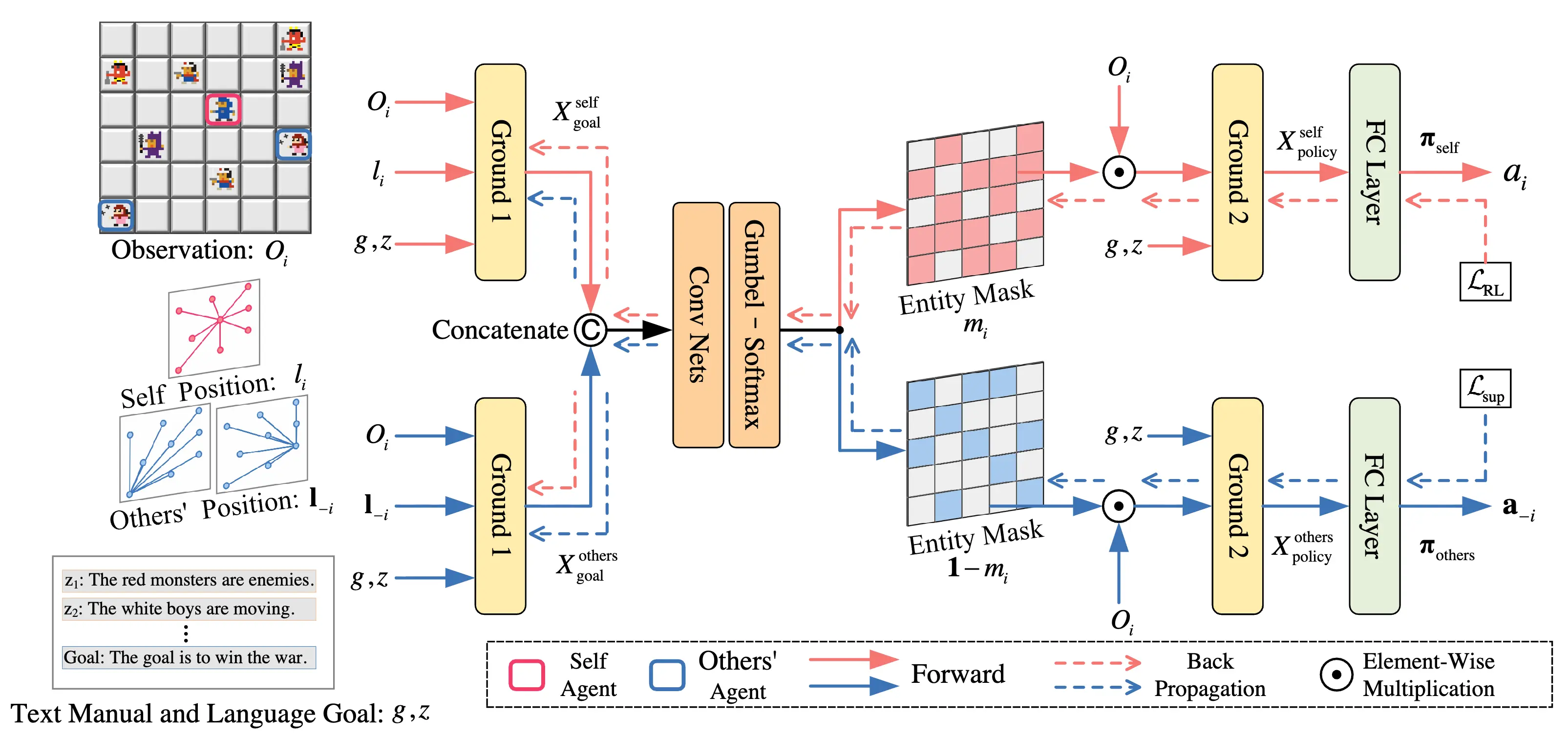
Entity Divider with Language Grounding in Multi-Agent Reinforcement Learning

Ziluo Ding*, Wanpeng Zhang*, Junpeng Yue, Xiangjun Wang, Tiejun Huang, Zongqing Lu. (*Equal Contribution.)

We propose EnDi framework, achieving agent goal division and collaboration enhancement in multi-agent systems through language and entity binding.

Model-Based Opponent Modeling

Xiaopeng Yu, Jiechuan Jiang, Wanpeng Zhang, Haobin Jiang, Zongqing Lu.

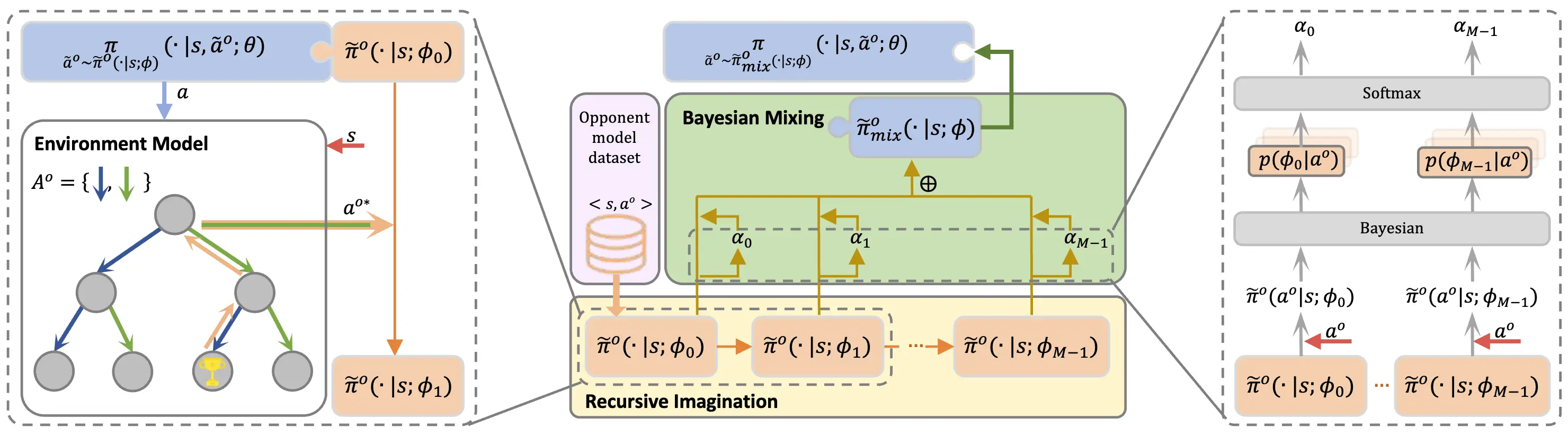
MBOM uses environment models to recursively simulate and mix imagined opponent policies for adaptive opponent modeling.

Education

  • Peking University. (Beijing, China. Sep 2022 — Jun 2026 (Expected))
    • Ph.D. Candidate in Computer Science.
    • Research Interest: Foundation Models / Embodied AI / Reinforcement Learning
  • Tsinghua University. (Beijing, China. Sep 2019 — Jun 2022)
    • M.S. in Computer Science.
    • Research Interest: Reinforcement Learning
  • Nankai University. (Tianjin, China. Sep 2015 — Jun 2019)
    • B.S. in Applied Mathematics.
    • Research Interest: Applied Mathematics / Machine Learning

Work Experience

  • BeingBeyond. (Beijing, China. Mar 2025 — Present)
    • Startup Team.
    • Foundation Models / VLA / Embodied AI
  • Beijing Academy of Artificial Intelligence. (Beijing, China. May 2024 — Mar 2025)
    • Research Scientist Intern.
    • Foundation Models / VLM / Embodied AI
  • Tencent AI Lab
    • Research Scientist Intern. (Shenzhen, China. Jun 2020 — Jul 2021)
    • Reinforcement Learning

Patent

  • Multimodal data processing method, device, storage medium, and electronic equipment. (CN119226992B)
  • Method, device and equipment for determining parameters and storage medium. (CN112527104A)
    • Wanpeng Zhang, Dijun Luo, Xi Xiao.
    • Link / PDF

Award

  • National Scholarship. (2025)
  • Top 10 Students at the National Engineering Research Center of Visual Technology. (2025)
  • Merit Student of Peking University. (2025)
  • Presidential Scholarship of Peking University. (2024)
  • Award for Scientific Research of Peking University. (2024)
  • Rhino-bird Elite Training Program of Tencent AI Lab. (2021)
  • Mathematical Contest in Modeling (MCM/ICM), Meritorious Winner (First Prize). (2017)
  • China Undergraduate Mathematical Contest in Modeling (CUMCM), Second Prize. (2016)
  • National High School Mathematics Competition, Second Prize. (2014)

Service

  • Conference Reviewer
    • ICML / NeurIPS / ICLR / CVPR / ICCV / ECCV / ICRA / AAAI / AISTATS / BMVC
  • Journal Reviewer
    • TNNLS / TIST / RAL
  • Teaching Assistant
    • Deep Reinforcement Learning, Peking University. (Spring, 2025)